How Much Does EV Charger Installation Cost in North County San Diego?
April 30, 2026
As electric vehicles (EVs) become increasingly popular across the country, the demand for convenient, home-based charging options is also on the rise. In North County San Diego, this trend has led to many homeowners considering the installation of EV chargers in their properties. With more residents making the switch to electric vehicles, the need for accessible, reliable, and efficient charging solutions is growing. Installing an EV charger at home offers unparalleled convenience and can be a crucial step in embracing a more sustainable and cost-effective transportation option.
However, a common question arises: What is the cost of installing an EV charger, and how do you determine if it’s worth the investment? The answer depends on various factors, including the type of EV charger, the complexity of the installation process, and the local market conditions. Additionally, factors such as the condition of your electrical system, the distance to the installation site, and local incentives can all influence the overall cost. Understanding these variables is crucial for making informed decisions, ensuring that the installation is completed safely and cost-effectively. Whether you are a first-time EV owner or upgrading your existing charging setup, this blog will break down the key considerations to help you estimate the cost and explore the potential benefits of EV charger installation in North County San Diego.
1. Types of EV Chargers and Their Cost Implications
Level 1 Chargers: The Basic Option
Level 1 chargers are the most basic and widely available type of EV charger. These chargers use a standard 120-volt outlet, similar to the ones used by household appliances. Level 1 chargers are usually the most affordable option in terms of installation, as they do not require significant upgrades to existing electrical systems. The installation cost for a Level 1 charger typically ranges from $300 to $800.
However, the main drawback of a Level 1 charger is its slow charging speed. A full charge can take anywhere from 8 to 20 hours, depending on the size of the vehicle’s battery. For individuals with limited driving needs or who can plug in overnight, a Level 1 charger might be sufficient. But for those who require faster charging, a Level 1 charger may not be the best option.
Level 2 Chargers: Faster and More Efficient
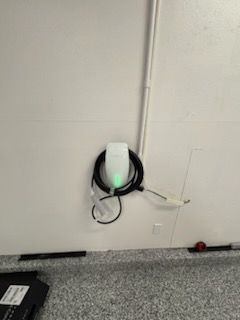
Level 2 chargers are the most popular choice for residential installations. These chargers require a 240-volt outlet, which is the same type of outlet used by larger home appliances such as dryers and ovens. A Level 2 charger offers a significantly faster charging speed compared to a Level 1 charger, with a full charge taking between 4 to 8 hours, depending on the vehicle’s battery.
The cost of installing a Level 2 charger is higher than a Level 1 charger. On average, the installation of a Level 2 charger can range from $1,000 to $2,500, with additional costs if any electrical upgrades are required to support the 240-volt outlet. Some homes may need to upgrade their electrical panel, particularly older homes or those with outdated wiring, which can increase installation costs.
DC Fast Chargers: Commercial-Grade Speed
DC Fast Chargers, also known as Level 3 chargers, are typically not installed in residential settings due to their high cost and the significant power requirements. These chargers are more commonly found in public charging stations, such as those located along highways or in commercial locations. While DC Fast Chargers can charge a vehicle’s battery to 80% in just 30 minutes, the cost of installation can exceed $50,000 for commercial applications.
Although these chargers are not suitable for home use, their presence in public spaces can be beneficial for those who need a quick charge while on the go. For homeowners considering charging options at home, focusing on Level 1 or Level 2 chargers is a more practical and affordable choice.
2. Key Factors Affecting Installation Costs
Electrical Panel and Circuit Upgrades
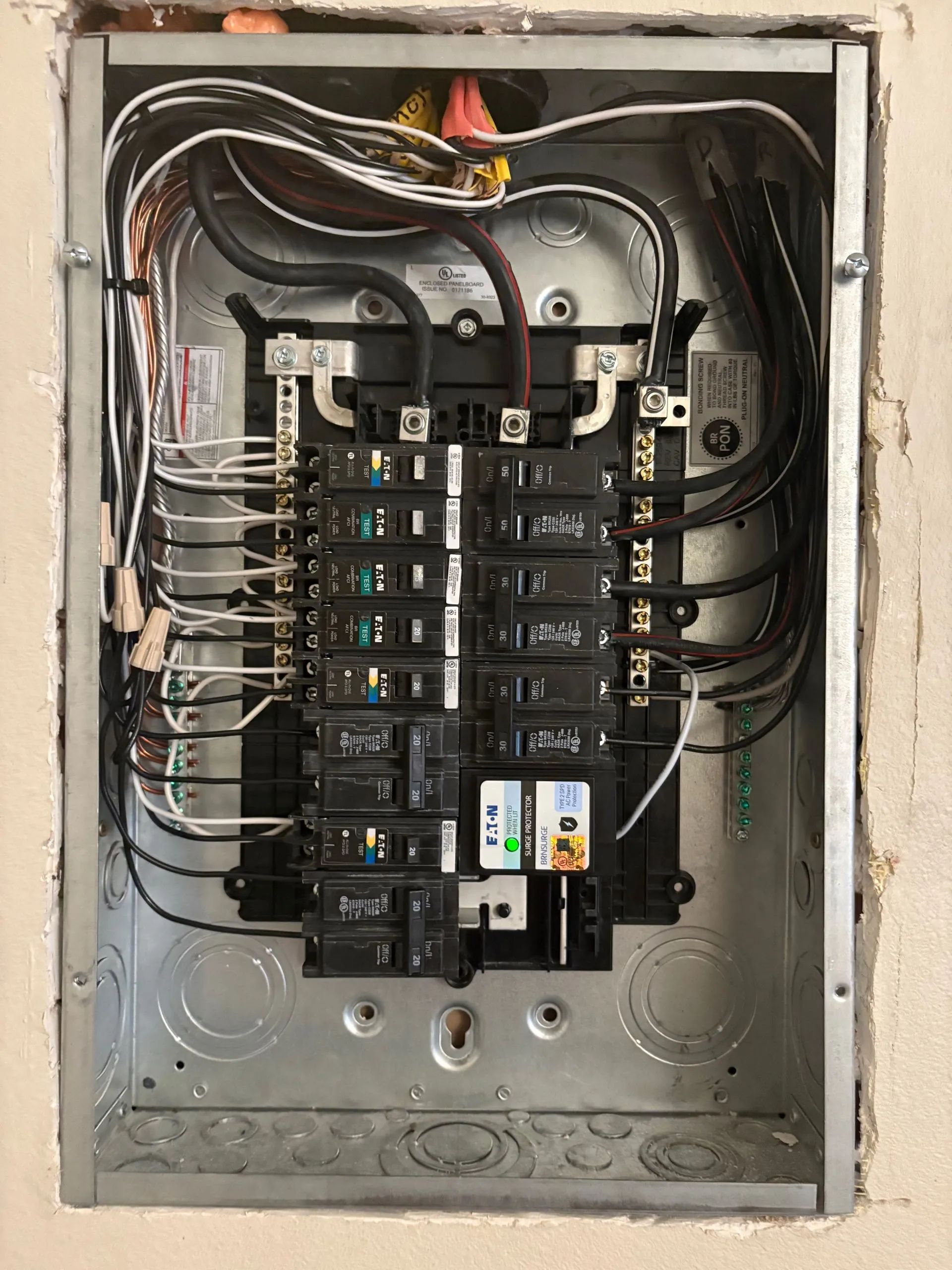
One of the primary factors affecting the cost of EV charger installation is the condition of your electrical panel. Many homes in North County San Diego may have electrical systems that are not designed to handle the additional load required for a Level 2 EV charger. In such cases, an upgrade to the electrical panel may be necessary, which can significantly add to the overall cost.
The average cost of upgrading an electrical panel ranges from $1,500 to $3,000, depending on the size of the upgrade and the complexity of the work. This is an important consideration when estimating the total installation cost, as failing to upgrade the electrical panel can lead to overloads and safety issues.
Distance from the Electrical Panel
Another important factor is the distance between the electrical panel and the location where the EV charger will be installed. The further the charger is from the electrical panel, the more labor and materials will be required to run the necessary wiring. For example, if the charger is to be installed in a garage that is far from the electrical panel, additional conduit, wiring, and possibly trenching may be needed, all of which contribute to higher installation costs.
The cost of running additional wiring can vary, but on average, it may add anywhere from $500 to $2,000 to the overall cost, depending on the distance and the complexity of the installation.
Permits and Inspection Fees
In North County San Diego, like many other areas in California, electrical work typically requires permits to ensure compliance with local building codes and safety regulations. Permit fees can vary depending on the jurisdiction, but on average, homeowners should budget around $100 to $300 for permits and inspections.
In addition to the initial permit cost, some jurisdictions may require additional fees for final inspections or certifications, which can increase the total cost of the installation. It is important to consult with a licensed electrician to ensure that all necessary permits are obtained and that the installation meets local requirements.
3. Rebates and Incentives for EV Charger Installation
Federal Tax Credit
To encourage the adoption of electric vehicles and promote the use of clean energy, the federal government offers a tax credit for the installation of EV chargers. The Federal Tax Credit allows homeowners to claim 30% of the installation cost, up to a maximum of $1,000 for residential installations. This can significantly reduce the upfront cost of installing a Level 2 charger.
However, it is important to note that the availability of this tax credit may change depending on future legislation. Homeowners should check with a tax professional to determine if they qualify for the credit and how it applies to their specific situation.
California State Rebates
In addition to federal incentives, California offers several state-level programs designed to promote clean energy and reduce the cost of EV charger installations. One notable program is the California Electric Vehicle Infrastructure Project (CALeVIP), which offers rebates to eligible homeowners and businesses for the installation of Level 2 EV chargers.
Rebates through CALeVIP can vary based on location and income eligibility, but they generally cover between $1,000 and $5,000 of the installation cost. Homeowners in North County San Diego may be eligible for these rebates, making it a worthwhile opportunity to reduce installation costs.
Utility Company Incentives
Some utility companies in California also offer incentives for the installation of EV chargers. These programs often provide rebates for customers who install chargers and may include discounted rates for electricity used to charge EVs during off-peak hours.
For example, San Diego Gas & Electric (SDG&E) offers programs that include rebates for the installation of Level 2 chargers and reduced electricity rates for EV owners. It is recommended to check with local utility providers to learn about available programs and take advantage of any available savings.
Reliable EV Charger Installation by Panelectric Inc.
The cost of installing an EV charger in North County San Diego can vary based on several factors, including the type of charger, electrical upgrades, and local permitting requirements. While a Level 1 charger may be a cost-effective solution for some, most homeowners will find that investing in a Level 2 charger offers a faster and more efficient charging experience, making it a popular choice.
If you’re considering installing an EV charger at home, we recommend consulting with a licensed electrician to assess your needs and ensure that the installation is completed safely and effectively. By taking advantage of available rebates and incentives, you can also reduce the upfront cost, making the installation more affordable.
At Panelectric Inc, we specialize in providing
expert EV charger installation services
in Escondido, California, and the surrounding areas. With over 20
years of experience, we have the knowledge and expertise to handle all aspects of EV charger installation, from electrical panel upgrades to permit management. Whether you’re looking to install a Level 2 charger at home or need assistance with navigating incentives and rebates, we are here to guide you every step of the way. Trust us to provide reliable, professional service that meets your needs and exceeds your expectations. Contact us today to learn more about how we can help you make the transition to electric vehicle ownership.