Electrical Upgrades That Increase Home Value in North County San Diego
July 20, 2026
Quick Answer: The electrical upgrades that carry the most weight with buyers and inspectors are the ones that solve a real limitation rather than decorate around it. A main panel with genuine capacity is the foundation, because it is what makes an EV charger, a heat pump, a backup system, and an ADU possible at all. Replacing brittle or ungrounded wiring in an older home removes the finding that stalls a deal at inspection. Backup power addresses the outages and Public Safety Power Shutoffs that people here plan around. Recessed and outdoor lighting, smart switches, and whole-home surge protection make the house feel finished and cared for. An outdated or maxed-out panel is the single most common electrical item that turns into a negotiating point during a sale.
You are walking the house with an eye on selling it, or you are just tired of the way the lights dip when the dryer starts, and you are trying to work out where your money actually does something. The kitchen and the bath get all the attention. Then a buyer's inspector spends ten minutes at the panel, writes a paragraph about it, and suddenly the conversation is not about the quartz counters anymore.
Electrical work is the least glamorous part of a house and the part that quietly decides what the house can and cannot do. Here in North County San Diego, where an Escondido ranch home from the sixties can sit two blocks from a fully modernized remodel, and where a garage without a charging circuit is a real objection for a real buyer, the electrical system has stopped being invisible. Here is how an experienced electrician thinks about which upgrades carry weight, what problem each one solves, and why the panel keeps coming up first. For questions about what any of this means for your specific asking price or your local market, a real-estate professional is the right person to ask.
The Panel Upgrade: The One Everything Else Depends On
If you only address one thing, this is usually it, not because a panel is exciting but because it is the gate every other upgrade has to pass through.
It is what makes the modern load list possible
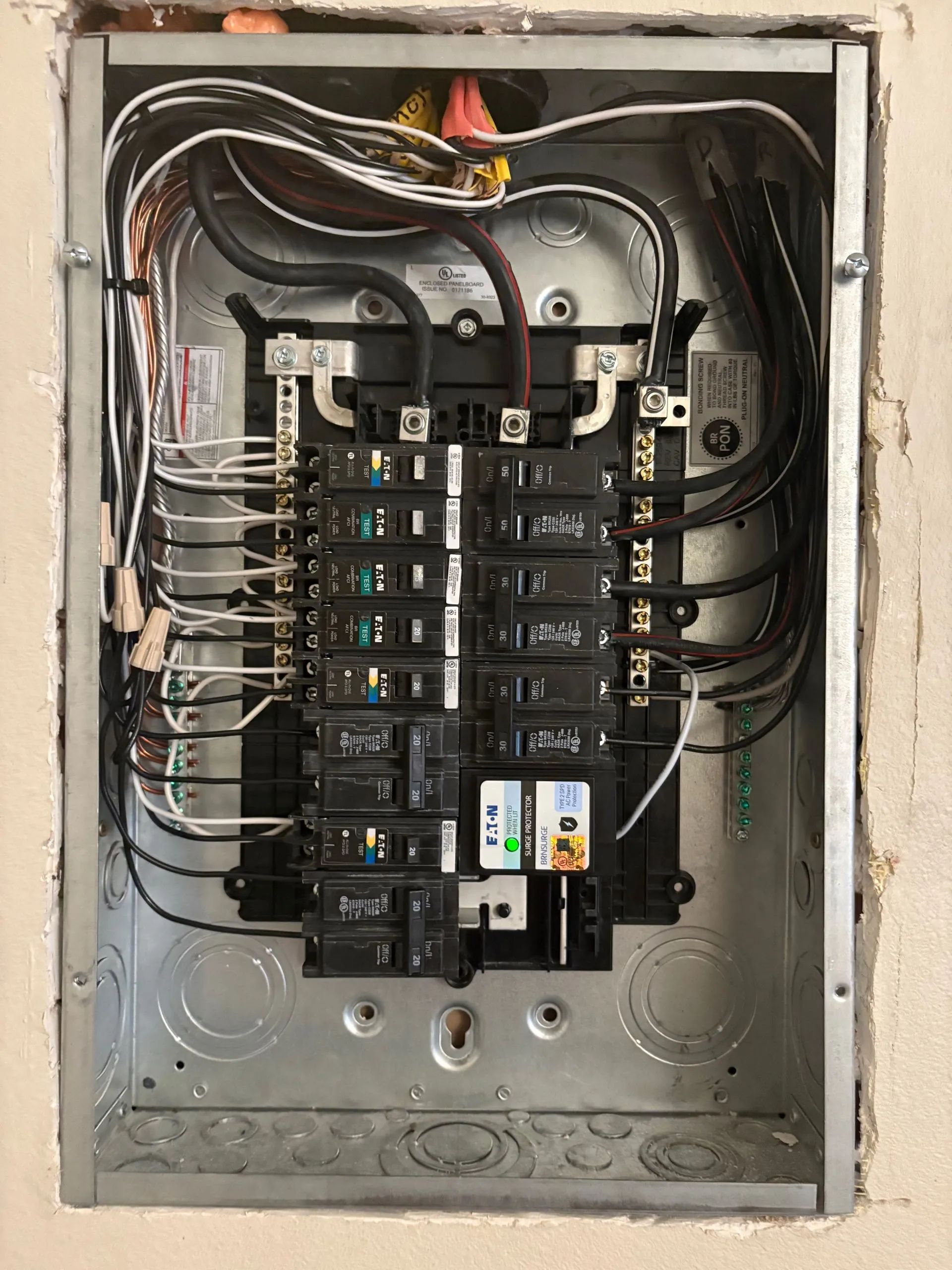
Electrification has quietly changed what a house carries. A car charger, a heat pump water heater, an induction cooktop, a backup battery, an ADU: each wants real capacity, and they are cumulative. A panel with genuine headroom lets a buyer add any without opening walls.
It ends the symptoms people actually notice
Lights that dim when the AC compressor starts, a breaker that trips whenever the microwave and toaster overlap, an outlet that runs warm. Those are the daily signs of a system at its edge, and a buyer feels them during a walkthrough.
It changes the tone of the inspection report
A recent, clean, correctly labeled panel with room to grow reads as a house that has been maintained. An overstuffed original panel with a legacy brand name reads as deferred work, and deferred work invites a request for a credit from buyers.
A subpanel is not always the answer
Adding a subpanel gives you more breaker spaces, but not more incoming capacity. If the service itself is the limit, a subpanel just distributes the same power into more places. Knowing which you have is a measurement, not a guess.
EV Charger Readiness: What Buyers in This Market Look For
Most repeat trips trace back to overload, and it is the easiest to confirm. Every circuit is rated for a set amount of current, usually 15 or 20 amps in a home. Inside the breaker is a small bimetallic strip that warms as current passes through it. Pull too much for too long and that strip bends just enough to release the switch. A space heater plus a microwave on one line is a classic overload, and the fix is spreading the load.
A short circuit is the louder version. When a hot wire touches a neutral directly, current spikes instantly and a magnetic mechanism snaps the breaker open in a fraction of a second, usually with a pop. Damaged cords, a cracked outlet, or a chewed wire behind a wall are common sources, and this is not a DIY reset job.
Ground faults are similar but involve a hot wire touching a grounded surface or a wet outlet. Bathrooms, garages, and outdoor receptacles use GFCI protection that trips on the smallest leak to keep you from a shock. Moisture is the usual trigger, which matters a great deal in our climate.
Then there is the breaker wearing out. A switch that has tripped hundreds of times over fifteen or twenty years fatigues internally and begins tripping at lower and lower loads. We see this constantly in older homes still on the original panel.
How We Track Down the Real Cause
Public Safety Power Shutoffs are a normal part of life in the inland and backcountry parts of San Diego County. When fire weather lines up, the utility de-energizes lines proactively, and those outages are announced in advance and can run for an extended stretch.
Why it lands with buyers
Someone who has sat through a shutoff with a full refrigerator, a home office, and a car that needs charging does not need backup power explained to them. A house that already has a solution is one less thing for them to solve.
Standby generator or battery
A permanently installed standby generator starts automatically and can carry a house through a long outage as long as it has fuel. A home battery, often paired with solar, runs silently, needs no fuel, and covers essential circuits for a defined window. Which one fits depends on how long your outages actually run, whether you have solar, and what you need to keep alive.
The transfer switch is the part that matters
Whatever the source, the piece that makes it safe is a properly installed transfer switch that isolates your house from the utility lines while the backup is running. That isolation is the whole reason licensed electricians insist on doing this work correctly. It protects the people working on the lines outside and it protects your equipment when utility power returns.
Essential-circuit planning
Backup rarely means running the entire house. It means deciding in advance what stays on: refrigeration, a few lights, internet, medical equipment, well pump, maybe one HVAC zone. That planning happens at the subpanel, and it is a big part of what makes a backup system feel like it works.
Lighting, Smart Switches, and Surge Protection: The Upgrades People Feel
Once capacity and safety are handled, this is the tier that changes how a house reads in a showing.
Recessed lighting done properly
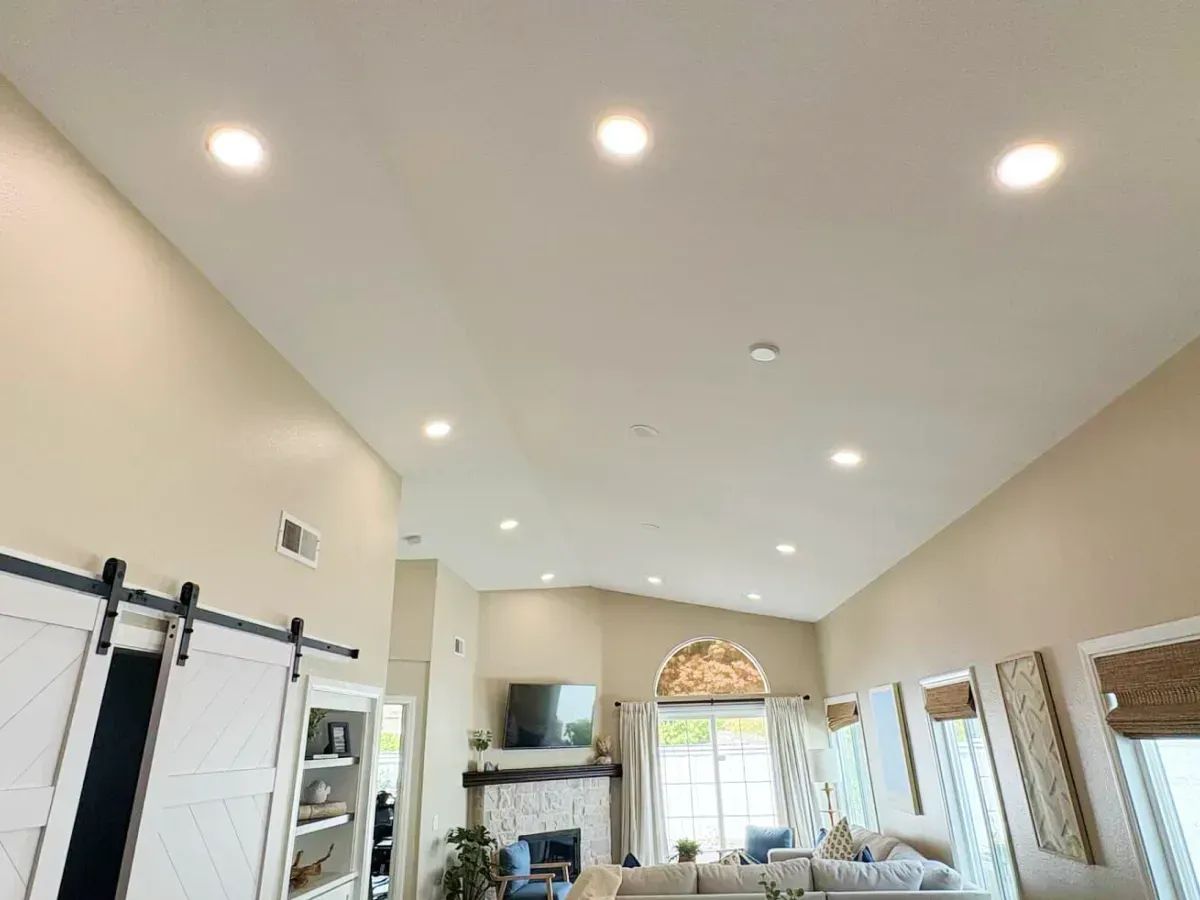
Even, layered light makes rooms look larger and finishes look better, and it is one of the few electrical upgrades a buyer perceives instantly. Done well it means a considered layout rather than a grid of cans, dimmers that are actually compatible with the LED trims so nothing buzzes or flickers, and separate control of task and ambient light.
Outdoor and yard lighting
In a climate where the yard is a room you use most of the year, exterior lighting extends the usable house. It also reads as security, and it is what makes a listing photo work at dusk. On coastal homes, salt air is hard on fixtures and connections, so weather-rated equipment and protected connections are what keep this from becoming a maintenance headache for whoever owns it next.
Smart switches and controls
The value here is not the novelty. It is that a properly wired smart lighting or thermostat setup works reliably, has a neutral where it needs one, and does not depend on a fragile chain of adapters. A house wired to support automation is a house that can accept whatever platform the next owner prefers.
Whole-home surge protection
A surge protective device at the panel diverts voltage spikes to ground before they travel through the branch circuits. It is the least visible upgrade on this list and one of the more sensible, because the modern house is full of electronics with sensitive boards: the HVAC control, the car charger, the appliances, the network gear. It protects the exact things a plug strip does not.
Sequencing the Work So It Actually Pays Off
If you are planning, the order matters as much as the list.
Safety and capacity come first
Deal with the panel, the grounding, and any legacy wiring before you spend a dollar on anything visible. Those are the items that show up in an inspection report, and they are the items that make every later upgrade possible. Nothing undermines a beautiful lighting package like a paragraph in the report about the panel.
Then the capability upgrades
Charging circuit, backup power, dedicated circuits for the kitchen and the office. These solve real problems the next owner would otherwise have to solve themselves.
Then the finish work
Lighting, switches, outdoor fixtures. These are what a buyer sees, and they land much harder on top of a house whose bones are sound.
Keep the paperwork
Whatever gets done, keep the documentation and the labeled panel schedule. An inspector who can see that the work was performed by a licensed electrician and properly inspected reaches a very different conclusion than one who finds a mystery subpanel with unlabeled breakers.
Making the House Ready Instead of Making It Presentable
The electrical upgrades that hold up under a buyer's inspection and an appraiser's eye are the ones that change what the house can do. Capacity at the panel is the foundation, because it is what removes the ceiling. Sound wiring is what removes the finding that stalls a deal. A charging circuit, backup power, and surge protection solve problems the next owner already knows they have. Lighting and smart controls are the layer that makes all of it feel finished. Done in that order, the work stops being a pre-listing scramble and becomes a house that simply does not have an electrical story to tell, which is the best story a house can have. For what any of this means in your particular neighborhood and price band, talk to a real-estate professional who knows the local market.
Book a whole-home electrical assessment — A house that can carry a car charger, a backup system, and modern lighting without straining starts at the panel, not at the light fixtures. Serving North County San Diego, Panelectric Inc
performs the load calculation, evaluates the service and grounding, identifies legacy knob-and-tube or aluminum wiring, and lays out an upgrade path in the order that actually holds up at inspection, from panel capacity and EV-ready circuits to backup power, recessed and outdoor lighting, and whole-home surge protection. With 20
years in the trade, union training, and owner-operated care, Panelectric Inc
handles the work that decides what your home is capable of. Reach out to schedule an assessment and find out where your system actually stands.
Frequently Asked Questions
Which electrical upgrade matters most if I can only do one?
Usually the main panel, because it constrains everything else. Real capacity and clean workmanship removes the most common inspection finding and makes an EV charger, heat pump, or backup system possible. Lighting gets noticed but resolves no limitation.
Will an outdated electrical panel actually stop a home sale?
It rarely kills a sale outright, but it often becomes a negotiating point. Once an inspector documents an aging or problematic-brand panel, the buyer has a written finding, and credit requests follow. Addressing it before listing avoids that.
Is a Level 2 EV charger worth installing before I sell?
In an EV-heavy market like North County San Diego, a charge-ready garage is a real advantage. If unsure which unit to install, put in the capacity and dedicated circuit and let the next owner choose the charger.
Does knob-and-tube or aluminum wiring have to be replaced before selling?
It depends on condition and the buyer's lender and insurer, which is why it surfaces late. Knob-and-tube is obsolete and ungrounded, and aluminum loosens at connections, so both get flagged. An early assessment tells you the scope.
Is backup power a meaningful upgrade in this area?
For many homeowners here, yes. Public Safety Power Shutoffs are a planned reality when fire weather arrives. A properly installed standby generator or home battery with a correct transfer switch solves a problem the buyer already knows well.
How do I know whether I need a full panel upgrade or just a subpanel?
A subpanel adds breaker spaces but not incoming capacity. If your service is the limit, more positions will not run a charger and heat pump together. A load calculation measures your service and settles it definitively.