Common Electrical Code Violations Found in Older Encinitas & Coastal Homes
May 15, 2026
Older homes in coastal areas like Encinitas come with a unique charm—historic architecture, character-filled features, and breathtaking ocean views. However, when it comes to electrical systems in these homes, many of them were designed and built before modern electrical codes were introduced or enforced. As a result, these homes often contain outdated and potentially dangerous electrical setups that not only violate current electrical codes but also pose significant safety hazards.
In this blog, we’ll explore some of the most common electrical code violations found in older Encinitas homes and why addressing these issues is critical for safety and efficiency. From improper grounding to outdated wiring, these violations can lead to electrical fires, electrocution, or costly damage to appliances and equipment. Whether you live in an older home or are considering purchasing one, understanding these violations will help ensure the electrical system in your home is up to code and safe for use.
1. Outdated or Hazardous Wiring
Knob-and-Tube Wiring
Knob-and-tube wiring, commonly found in homes built between the late 1800s and the 1940s, is one of the most prevalent electrical issues in older homes, particularly along the coast where properties have been around for generations. This outdated system consists of two wires—one for hot and one for neutral—mounted on ceramic knobs with porcelain tubes to protect the wires as they pass through wooden beams.
While it was once an innovative method for its time, knob-and-tube wiring lacks a ground wire and can deteriorate over time, especially in humid coastal environments. This increases the risk of electrical shorts and fires. Additionally, it’s often not grounded properly, which compromises the safety of modern electrical devices and appliances that require grounding.
Cloth-Braided Wiring
Another common issue in older homes is cloth-braided wiring. This type of wiring, found in homes built before the 1960s, often has the insulation worn away or degraded, exposing the metal wires inside. The protective coating breaks down over time due to age, humidity, and environmental factors, leading to an increased risk of electrical shock, short circuits, and fires. When cloth-braided wiring is found in coastal areas like Encinitas, it's critical to replace it with safer, more modern wiring that meets current code requirements.
2. Inadequate Grounding
No Grounding in Older Electrical Systems
Proper grounding is one of the most important safety features in modern electrical systems. Unfortunately, many older homes, especially those built before the 1960s, were not designed with a grounding system in mind. Electrical systems that lack proper grounding pose a serious risk of electric shock, particularly if an appliance or wiring becomes faulty.
In homes that don’t have a ground wire, the metal parts of appliances and devices are left unprotected, which increases the likelihood of electrocution when contact is made with these parts. This issue is often exacerbated by the coastal environment, where moisture and corrosion can further compromise the integrity of wiring systems.
Improper Grounding Methods
Even if older homes have a grounding system, it may not meet modern standards. For example, some older systems may be grounded to a metal pipe or a cold-water line, which is no longer considered safe or code-compliant. These methods can be unreliable, particularly if the metal pipe has been replaced or disconnected over the years. To bring older systems up to code, a dedicated grounding system must be installed, usually connecting to a grounding rod driven into the earth.
3. Overloaded Circuits and Insufficient Circuit Breakers
Outdated Circuit Breakers and Fuses
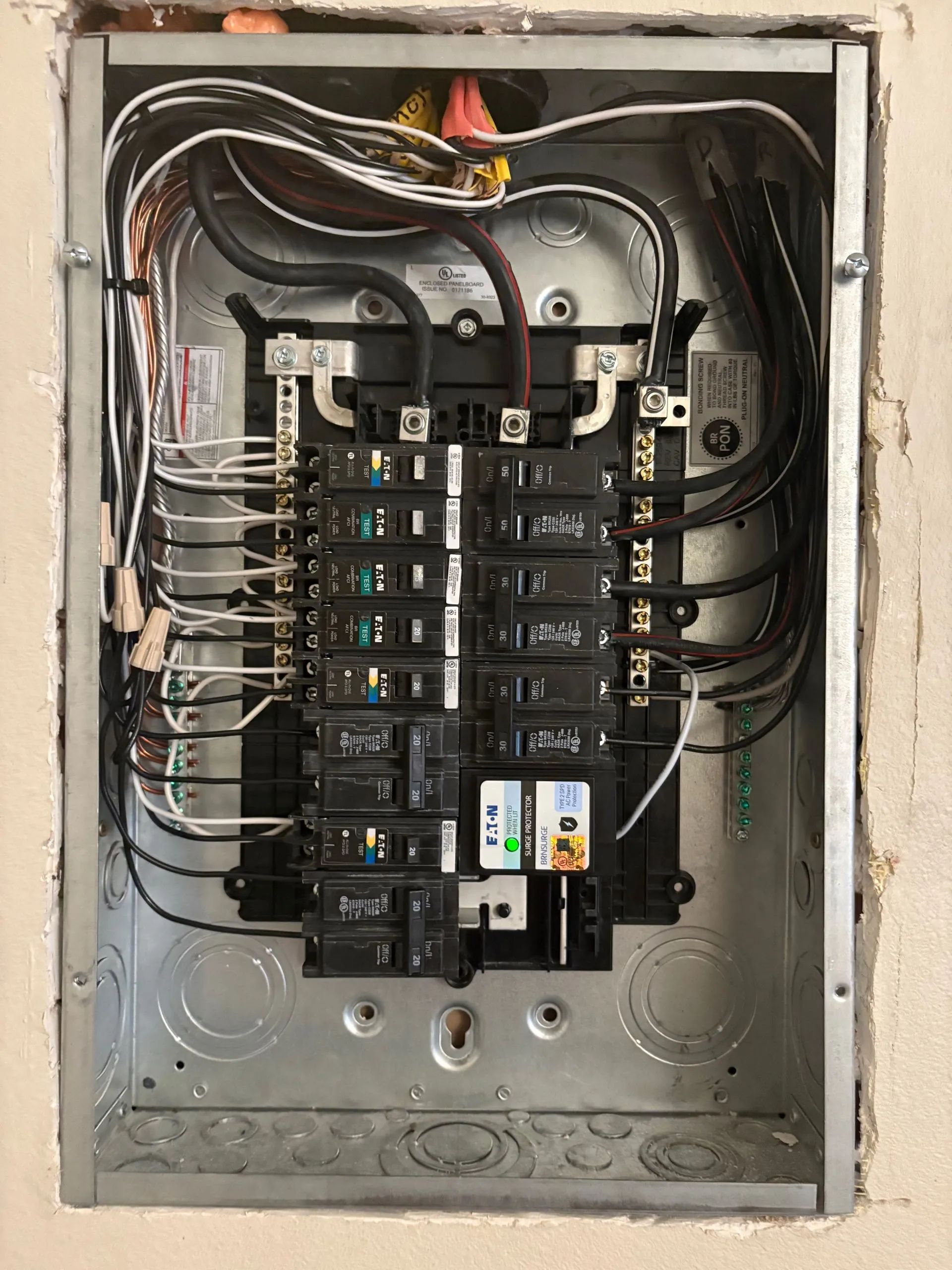
Older homes may still be using circuit breakers or fuse panels that are no longer adequate for modern electrical demands. While older electrical panels may have been sufficient for the limited power needs of the past, today's homes often require more circuits to support the number of appliances and devices we use daily. Inadequate circuit protection increases the risk of electrical overloads, short circuits, and fires.
Another common issue is the use of screw-in fuses in place of modern circuit breakers. Screw-in fuses are not as effective as circuit breakers at preventing electrical fires because they do not have the same level of sensitivity to overloads or short circuits. When these older systems are still in place, they must be replaced with updated panels that meet current electrical codes and have the capacity to handle today's power needs.
Overloaded Circuits
In many older homes, circuits were designed to handle fewer appliances, often leading to overloaded circuits. With the increase in electrical demand from modern appliances such as computers, air conditioning units, and kitchen gadgets, these circuits may become overwhelmed. Overloading a circuit can cause the wiring to heat up and potentially start a fire.
4. Lack of GFCI (Ground Fault Circuit Interrupter) Outlets
Missing GFCI Outlets in Wet Areas
GFCI outlets are an essential safety feature required by modern electrical codes. These outlets are designed to detect ground faults and shut off power immediately to prevent electric shock. They are typically required in areas where water and electricity are in close proximity, such as kitchens, bathrooms, basements, garages, and outdoor areas.
Older homes, especially those built before the 1970s, often do not have GFCI outlets installed, which means they fail to provide the necessary protection in wet or damp areas. For example, kitchens and bathrooms without GFCI protection increase the risk of electrical shock when using electrical appliances near water. Installing GFCI outlets is an easy and affordable way to bring an older home up to code while ensuring the safety of its residents.
Improperly Wired GFCI Outlets
In some cases, older homes may have GFCI outlets installed, but they might be improperly wired, which can prevent them from functioning correctly. This can happen if the outlet was installed by someone who wasn’t familiar with modern electrical codes or if it was installed without understanding the necessary grounding requirements. A licensed electrician must inspect these outlets and ensure that they are correctly wired and functional.
5. Insufficient or Missing Smoke Detectors
Outdated or No Smoke Detectors
Many older homes, particularly those built before the 1990s, were constructed without smoke detectors or with outdated, unreliable models. Smoke detectors have become mandatory in residential homes, and they play a crucial role in alerting homeowners to a fire or smoke emergency. Without working smoke detectors, there is a significant risk of injury or death in the event of a fire.
In coastal areas like Encinitas, where properties are often close to one another and high winds can quickly spread fires, it’s even more critical to have properly functioning smoke detectors throughout the home. Modern smoke detectors should be installed in key areas, such as hallways, bedrooms, and on each floor of the home. Additionally, some homes may have wired-in smoke detectors that no longer function because they’ve been disconnected or the wiring has degraded. These outdated systems need to be replaced with battery-powered or hard-wired smoke detectors that comply with current fire safety codes.
6. Inadequate Lighting and Wiring for Modern Appliances
Insufficient Lighting and Electrical Outlets
In older homes, the electrical system was often designed with only basic needs in mind, meaning that there may be too few outlets and insufficient lighting to accommodate modern living. The increase in the number of devices and appliances in our homes—such as home office equipment, entertainment systems, and kitchen gadgets—requires an adequate number of electrical outlets and proper lighting circuits.
Older homes may have limited outlets, forcing homeowners to rely on extension cords or power strips. This can lead to potential hazards, as overloaded power strips can cause fires, and extension cords can deteriorate over time. Upgrading the electrical system to include more outlets and modern lighting is essential to ensure safety and convenience in the home.
Trust Panelectric Inc
for Electrical Code Compliance
As we've explored, there are numerous common electrical code violations found in older Encinitas homes, many of which present serious safety risks. From outdated wiring systems like knob-and-tube to inadequate grounding, overloaded circuits, and missing GFCI outlets, these issues are often hidden beneath the surface but require prompt attention.
Addressing these electrical violations is not only important for safety but also for bringing older homes up to current code standards, improving efficiency, and preventing costly damage to appliances and electronics. In many cases, bringing an older electrical system into compliance can increase the value of the property and provide peace of mind for homeowners.
At Panelectric Inc, we pride ourselves on our extensive expertise in upgrading and repairing electrical systems to meet the highest standards of safety and efficiency. As licensed electricians based in Escondido, California, we are committed to ensuring that homes in coastal areas like Encinitas are safe and up to code. With over 20
years of experience, we understand the unique challenges older homes face and are dedicated to providing top-tier electrical services that meet both safety requirements and your home's modern needs. If you're concerned about the electrical safety of your home or are considering an upgrade, reach out to us today. Let us help you bring your home's electrical system up to code, ensuring peace of mind and long-term safety for you and your family.