Do I Need an Electrical Panel Upgrade for an EV Charger in North County San Diego?
December 30, 2025
The rise of electric vehicles (EVs) has transformed how homeowners approach energy consumption and home infrastructure. As EVs become more prevalent in North County San Diego, many residents are exploring the installation of home EV chargers. These chargers offer the convenience of charging overnight, ensuring a fully powered vehicle each morning. However, adding such a high-demand appliance often raises critical questions about the capability of existing electrical systems. Many homeowners are unaware that older or undersized electrical panels may not support the added load of a modern EV charger. Without proper evaluation and upgrades, attempting to install a charger can lead to circuit overloads, breaker trips, or even electrical hazards.
Understanding whether an electrical panel upgrade is necessary requires careful consideration of your home’s current electrical capacity, your EV’s charging requirements, and future energy needs. A professional assessment ensures safety, compliance with local codes, and efficient energy distribution. For North County San Diego residents, making informed decisions now can prevent costly repairs later, optimize home energy use, and support sustainable transportation initiatives. This guide will walk you through the signs that an upgrade may be necessary, the benefits of upgrading, and practical steps to safely install an EV charger in your home.
Understanding Electrical Panels and EV Charging Requirements
What is an Electrical Panel?
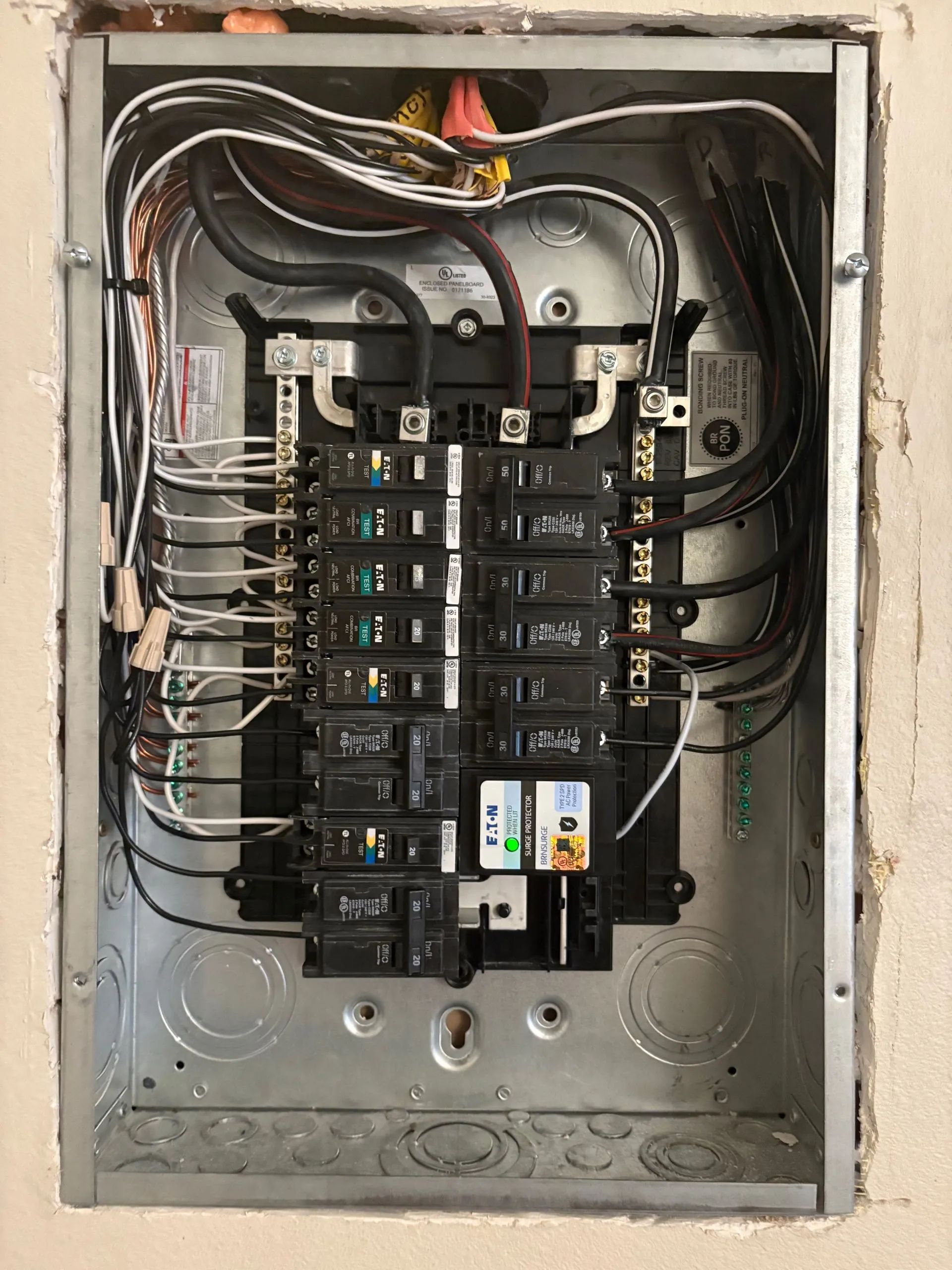
An electrical panel, sometimes referred to as a breaker panel or service panel, serves as the central hub of a home’s electrical system. It distributes electricity from the utility provider to various circuits throughout the house, protecting wiring and appliances with circuit breakers. Panels vary in capacity, typically ranging from 100 to 400 amps, and the size of the panel directly influences how much electrical load your home can handle at one time.
EV Charger Power Demands
EV chargers are classified into three levels:
Level 1
Uses a standard 120V household outlet and typically delivers 2–5 miles of range per hour. These chargers have minimal impact on your electrical panel but are slow for daily charging needs.
Level 2
Operates on a 240V circuit and delivers 10–60 miles of range per hour depending on the vehicle and charger. Level 2 chargers require a dedicated circuit, often between 30–50 amps, which can place significant demand on your existing electrical panel.
DC Fast Charging (Level 3)
Primarily used in commercial settings due to extremely high power requirements, often exceeding 100 amps, and is rarely installed in residential homes.
Homeowners installing Level 2 chargers in North County San Diego should assess their panel capacity carefully. Understanding your charger’s amperage requirements and the total load on your home is critical to determining whether an upgrade is necessary.
Signs You Might Need an Electrical Panel Upgrade
Frequent Tripped Breakers or Flickering Lights
If your home experiences regular breaker trips, flickering lights, or unusual heat from outlets, it may indicate that your electrical system is operating near or beyond capacity. Installing an EV charger without addressing these issues can exacerbate the problem and create safety hazards.
Insufficient Amperage
Older homes, especially those built before the 1990s, often have 100-amp panels, which may be insufficient for modern electrical demands. A typical Level 2 EV charger may require 40–50 amps alone, leaving little room for other household appliances running simultaneously. Upgrading to a 200-amp panel or higher can accommodate the charger while maintaining safe and reliable power distribution.
Panel Age and Condition
Even if your panel seems adequate, its age and condition matter. Panels with outdated components, rust, or corrosion may not safely handle increased electrical loads. Professionals recommend evaluating panels older than 20–30 years when adding high-demand appliances such as EV chargers.
Evaluating Your Home’s Electrical Capacity
Calculating Total Electrical Load
Before installing an EV charger, it’s essential to calculate your home’s total electrical load. This includes lighting, HVAC systems, kitchen appliances, laundry equipment, and other high-consumption devices. The National Electrical Code (NEC) provides guidance for load calculations, ensuring that your system can handle simultaneous operation without overloading circuits.
Dedicated Circuit Requirements
Level 2 EV chargers require a dedicated 240V circuit. This means your charger should not share a breaker with other appliances. A professional electrician will evaluate whether your current panel can accommodate a dedicated circuit or if an upgrade is necessary to create additional space for breakers.
Future-Proofing Considerations
If you plan to purchase a second EV, install additional high-power appliances, or expand your home, it is prudent to consider a larger panel upgrade now rather than multiple incremental upgrades later. Future-proofing ensures your electrical system remains safe, efficient, and capable of meeting growing energy demands.
Benefits of Upgrading Your Electrical Panel for an EV Charger
Enhanced Safety
Upgrading your electrical panel reduces the risk of overloaded circuits, electrical fires, and equipment damage. Modern panels include improved circuit breakers and safety features designed to handle higher loads, providing peace of mind for homeowners and their families.
Increased Home Value
An upgraded electrical panel is an attractive feature for potential buyers, particularly in regions like North County San Diego where EV adoption is rising. Buyers often appreciate homes equipped with the infrastructure necessary to support modern technology, including EV chargers, smart home devices, and energy-efficient appliances.
Improved Energy Efficiency
Newer electrical panels can distribute power more efficiently, reducing energy waste and preventing voltage drops that may impact sensitive electronics. Proper panel sizing ensures your EV charger operates optimally, reducing charging times and energy costs.
Compliance with Local Codes
Electrical upgrades ensure your home remains compliant with NEC standards and local building codes. Code-compliant installations prevent potential legal issues, facilitate home inspections, and may be required for insurance purposes.
Flexibility for Renewable Energy Integration
Upgraded panels can accommodate solar panels, battery storage systems, or other renewable energy solutions, enabling North County San Diego homeowners to integrate sustainable energy options seamlessly with their EV charging setup.
Common Challenges and How to Address Them
Limited Panel Space
One of the most common challenges is insufficient space for additional breakers. Electrical panels have a finite number of slots, and older panels may be fully occupied. Solutions include installing a subpanel or upgrading to a larger main panel to create room for your EV charger circuit.
High Upgrade Costs
Electrical panel upgrades can be costly, depending on the panel size, home wiring, and labor involved. While the initial investment may seem significant, it ensures long-term safety, efficiency, and compliance. Homeowners should consider the cost in relation to potential energy savings, property value increase, and reduced risk of electrical hazards.
Permit and Inspection Requirements
Installing or upgrading an electrical panel requires permits and inspections to meet local building codes in North County San Diego. Hiring a licensed electrician ensures all work is legally compliant and safe. Attempting DIY upgrades or unpermitted installations can result in fines, insurance complications, or unsafe conditions.
Compatibility with Older Wiring
Older homes may have outdated wiring, which may not safely support modern circuit breakers or high-amperage EV chargers. An electrician can assess wiring condition and recommend necessary upgrades to prevent overheating, voltage drops, or fire hazards.
Best Practices for EV Charger Installation
Hire a Licensed Electrician
Engaging a licensed electrician ensures proper assessment, safe installation, and code compliance. Professionals in North County San Diego are familiar with local regulations, utility coordination, and panel upgrade requirements, reducing the risk of errors.
Conduct a Load Assessment
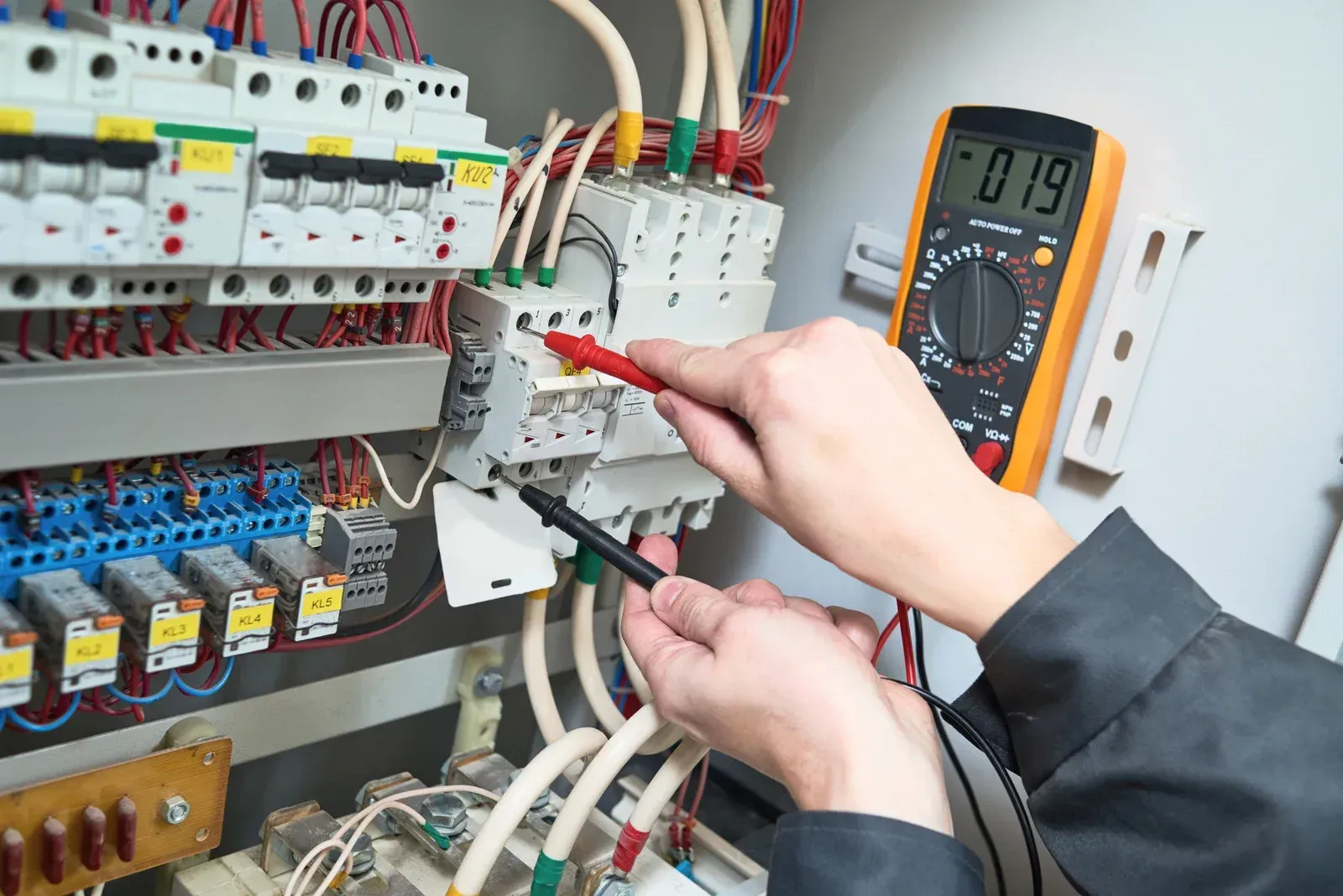
A thorough load assessment evaluates your home’s current and future energy demands. Electricians use tools to measure circuit loads, identify potential bottlenecks, and recommend panel sizing that accommodates the EV charger without compromising other systems.
Choose the Right Charger and Circuit
Selecting a charger that matches your vehicle’s requirements and installing it on a properly rated dedicated circuit optimizes charging efficiency. Level 2 chargers typically require 240V and a 30–50 amp breaker, but the exact requirements depend on your EV’s onboard charger.
Plan for Future Expansion
If you anticipate adding additional EVs or high-demand appliances, consider a panel upgrade that allows for expansion. Future-proofing reduces the likelihood of repeated upgrades and keeps your home ready for evolving energy needs.
Optimize Charging Location
Position the charger conveniently near your garage or parking area while minimizing cable runs. Shorter cable runs reduce voltage drops and improve charging efficiency. Professional installation ensures the charger is installed at the proper height, location, and orientation for safe daily use.
Dependable Specialists Managing Electrical Upgrades with Confidence
For homeowners in North County San Diego seeking professional guidance and reliable installation, Panelectric Inc
stands as a trusted authority. With 20
years of experience as a
licensed electrician in Escondido, California, Panelectric Inc
specializes in panel upgrades, EV charger installations, and comprehensive electrical solutions. The company is dedicated to safety, code compliance, and personalized service, ensuring that each home is equipped with a robust electrical system capable of meeting current and future energy demands. Whether evaluating panel capacity, installing dedicated circuits, or planning for multiple EVs, Panelectric Inc
combines technical expertise with practical insights to deliver efficient, long-lasting solutions. Their team works closely with homeowners to provide transparent recommendations, execute professional installations, and navigate permit requirements seamlessly. Choosing Panelectric Inc
guarantees peace of mind, reliability, and the confidence that your home’s electrical infrastructure can safely support modern energy needs, making them a premier choice for EV charger installations in North County San Diego.