Electrical Requirements for ADUs in San Diego County: What Homeowners Need to Know
February 23, 2026
Accessory dwelling units (ADUs) have become increasingly popular in San Diego County as homeowners look for ways to expand living space, accommodate multigenerational families, or create rental income opportunities. With the city’s growing emphasis on affordable housing and sustainable development, ADUs provide a practical solution while adding significant value to residential properties. However, constructing an ADU involves more than just architectural planning and construction permits; one of the most critical aspects often overlooked is the electrical system. Proper electrical planning ensures safety, functionality, and compliance with California’s building and electrical codes. In addition, well-designed electrical systems can enhance the long-term efficiency and livability of the ADU, supporting everything from modern appliances to advanced home automation. Ignoring these considerations can lead to unexpected expenses and operational challenges down the line.
For homeowners in San Diego County, understanding electrical requirements for ADUs is essential before breaking ground. Electrical systems must accommodate appliances, lighting, heating, and modern smart home technologies, while adhering to local regulations, such as the California Electrical Code (CEC) and municipal ordinances. Failing to meet these requirements can result in safety hazards, inspection delays, or costly retrofits. This guide provides a comprehensive overview of the key electrical considerations for ADUs, including service upgrades, circuit planning, energy efficiency, safety standards, and practical tips for homeowners. By gaining clarity on these requirements, homeowners can ensure a safe, code-compliant, and efficient electrical setup for their new ADU. Moreover, understanding these details helps homeowners make informed decisions that enhance property value while minimizing future maintenance issues.
Understanding Electrical Service Requirements for ADUs
Determining the Right Electrical Load
An ADU requires careful planning to ensure the existing electrical service can handle the additional demand. In many San Diego County homes, the main panel may not be sized to support a full secondary living unit. Homeowners must calculate the anticipated electrical load based on lighting, kitchen appliances, HVAC systems, water heaters, and other devices. Typically, an ADU may require an additional 100–200 amps depending on its size and the appliances installed. Consulting a licensed electrician to perform a load calculation helps prevent overloads and ensures the home’s main panel is adequate for the combined demand.
Service Panel Upgrades
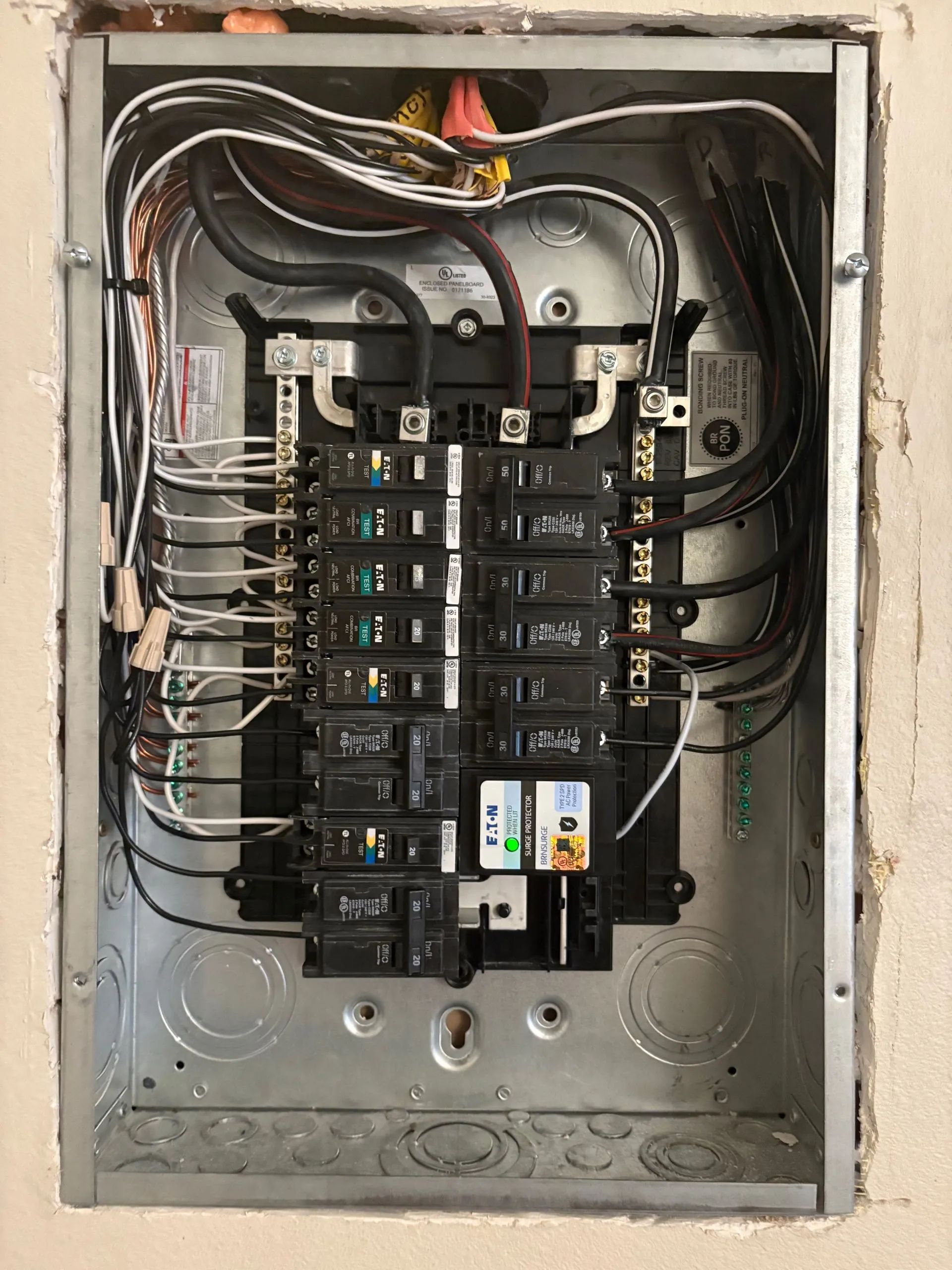
If your main electrical panel cannot support the new load, a service panel upgrade may be required. This involves replacing the existing panel with a higher-capacity unit or installing a subpanel dedicated to the ADU. Subpanels are often preferred because they isolate the ADU’s circuits, making maintenance easier and allowing independent control over the secondary unit. Upgrading or adding a subpanel requires a permit from the city and must comply with the California Electrical Code, ensuring all wiring, breakers, and grounding systems meet strict safety standards.
Real-World Scenario
Consider a homeowner adding a 600-square-foot ADU with a full kitchen, laundry area, and central HVAC system. Without a proper load calculation, the existing 100-amp service may be insufficient, leading to frequent breaker trips. Installing a 200-amp main panel or a dedicated subpanel ensures the ADU operates safely without compromising the main residence’s electrical service.
Circuit Planning and Distribution for ADUs
Dedicated Circuits for High-Power Appliances
ADUs often include kitchen appliances, HVAC systems, and laundry units, all of which require dedicated circuits. For example, an electric range or oven may need a 40–50 amp circuit, while a clothes dryer typically requires a 30-amp line. Lighting and general-purpose outlets are usually on 15–20 amp circuits. Properly distributing circuits reduces the risk of overloading and ensures that essential appliances operate reliably.
Subpanel Circuit Organization
When installing a subpanel for an ADU, organizing circuits logically is critical. Kitchens, bathrooms, and laundry areas should have separate breakers for high-draw appliances, while lighting and outlets can be grouped by room. This organization not only improves safety but also simplifies troubleshooting in case of a malfunction. Labeling each breaker clearly is a best practice, and compliance with NEC Article 408 ensures panels are properly arranged.
Example Layout
A 500-square-foot ADU might have:
- Kitchen: 2 dedicated circuits (range, refrigerator)
- Bathroom: 1 dedicated circuit for outlets and GFCI protection
- HVAC: 1 dedicated circuit
- Laundry: 1 dedicated circuit
- Lighting and general outlets: 3–4 circuits distributed by room
Such a layout allows the ADU to function independently while maintaining safety and efficiency.
Compliance with California Electrical Codes and Local Ordinances
California Electrical Code (CEC) Requirements
All ADU electrical systems in San Diego County must comply with the CEC, which dictates wiring methods, circuit protection, grounding, and outlet spacing. Key provisions include the use of GFCI outlets in wet areas, AFCI breakers in living spaces, and proper wire sizing to handle load requirements. Compliance ensures both safety and inspection approval during construction.
Local Permitting and Inspection Process
San Diego County requires homeowners to obtain permits for electrical work related to ADUs. Permits confirm that licensed electricians design and install systems according to code. After installation, inspections verify correct wiring, grounding, panel capacity, and proper outlet placement. Passing inspection is mandatory before the ADU can be legally occupied, making adherence to code non-negotiable.
Best Practices for Homeowners
- Engage a licensed electrician familiar with both CEC and San Diego County ordinances.
- Plan electrical work early in the design phase to integrate with structural and plumbing elements.
- Maintain documentation of load calculations, circuit diagrams, and permits for future reference.
Following these practices prevents costly mistakes and ensures the ADU is safe and code-compliant.
Energy Efficiency and Smart Electrical Solutions
Incorporating Energy-Efficient Appliances
Energy efficiency is a priority for modern ADUs. Homeowners should select appliances rated for energy savings, such as ENERGY STAR refrigerators, induction cooktops, and high-efficiency HVAC units. Efficient appliances reduce overall electrical load and may qualify for rebates through local utility programs.
Lighting and Smart Home Integration
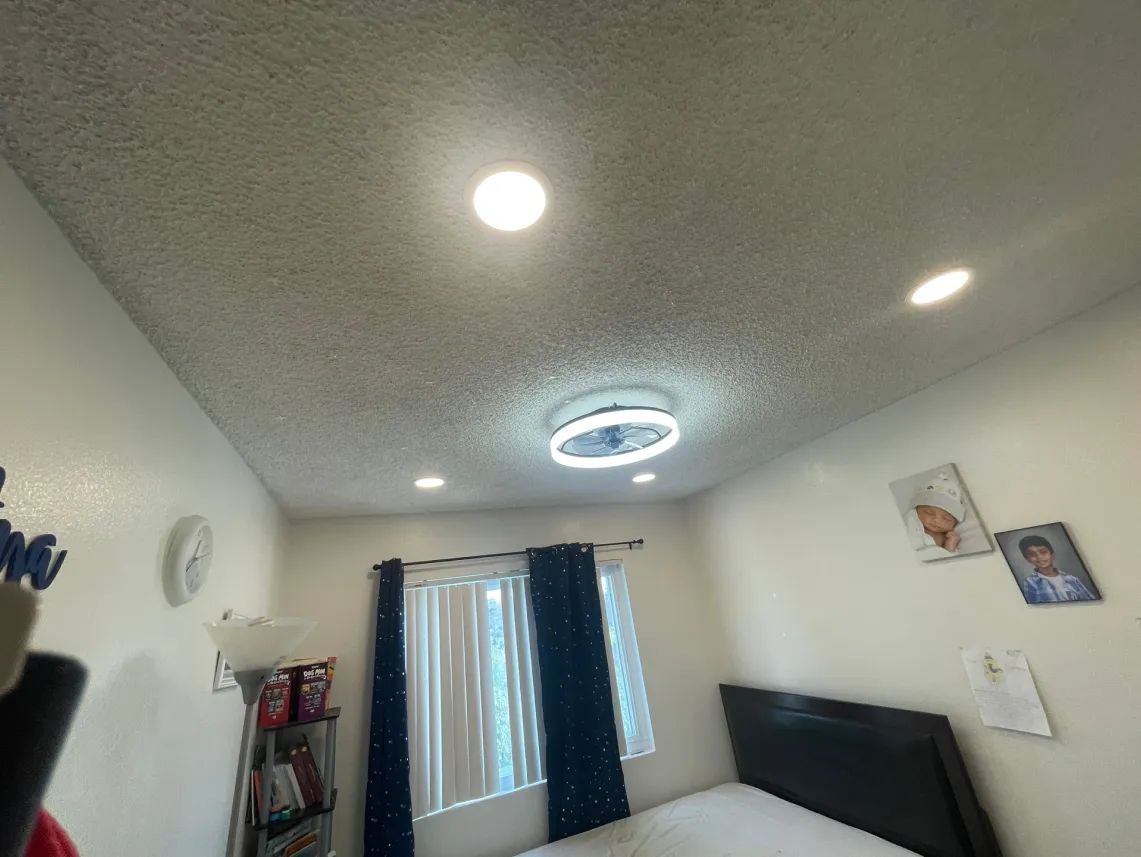
LED lighting is the most efficient and cost-effective choice for ADUs, providing long-term savings and reduced maintenance. Smart home technologies, such as programmable thermostats, automated lighting, and energy monitoring systems, can further optimize electrical usage. These systems can be integrated with the ADU’s electrical panel, allowing homeowners to control consumption and improve energy efficiency.
Solar and Alternative Energy Considerations
Some homeowners consider solar panels or battery storage to offset ADU electricity consumption. Solar systems must be integrated with the main panel and any subpanels, requiring careful planning to ensure compliance with utility interconnection standards. Including renewable energy options during electrical design enhances sustainability while reducing monthly energy costs.
Safety Considerations and Best Practices
Ground Fault and Arc Fault Protection
Safety is paramount in any electrical installation. GFCI (Ground Fault Circuit Interrupter) outlets are required in kitchens, bathrooms, laundry areas, and outdoor spaces to protect against electric shock. AFCI (Arc Fault Circuit Interrupter) breakers protect living spaces by preventing fires caused by electrical arcing. Ensuring these protections are installed correctly mitigates risk and aligns with California code requirements.
Proper Grounding and Bonding
ADU electrical systems must be properly grounded and bonded to prevent shock hazards and protect equipment from surges. Grounding involves connecting metal parts of electrical devices to the earth, while bonding ensures that all metallic components are electrically connected. Both measures are crucial for occupant safety and are inspected rigorously during permit approval.
Future-Proofing the Electrical System
Homeowners should consider future expansion or upgrades, such as adding EV charging stations or additional appliances. Installing extra conduit or spare circuits during construction simplifies future modifications and reduces the need for costly retrofits. Proper planning also allows for flexibility as technology and energy needs evolve.
Common Challenges Homeowners Face
Load Calculation Errors
One frequent challenge is underestimating the ADU’s electrical load. Homeowners may not account for simultaneous appliance use, HVAC operation, or future upgrades. A thorough load calculation by a licensed electrician prevents panel overloads and ensures reliable operation.
Permitting and Inspection Delays
Navigating San Diego County’s permitting process can be complex. Delays often arise from incomplete applications, non-compliance with code, or lack of proper documentation. Working closely with a licensed electrician and submitting comprehensive plans minimizes inspection issues and keeps construction on schedule.
Cost Management
Electrical upgrades and subpanel installations can be significant expenses. Homeowners should budget for service panel upgrades, high-capacity circuits, and safety features. Balancing cost with code compliance and safety is critical, and prioritizing essential systems first ensures a functional and safe ADU.
Trusted Professionals at Panelectric Inc
Handle ADU Electricity
Planning the electrical system for an ADU in San Diego County is a complex but essential aspect of successful construction. Homeowners must address service panel capacity, dedicated circuits, compliance with the California Electrical Code, energy efficiency, safety protections, and potential future needs. Proper planning and execution not only prevent costly errors and inspection failures but also create a safe, reliable, and efficient living space. Understanding these requirements empowers homeowners to make informed decisions, ensuring their ADU meets both functional and regulatory standards.
At Panelectric Inc, we bring 20
years of licensed electrician expertise to homeowners throughout Escondido, California. Our team
specializes in ADU electrical design, installation, and service, ensuring every project meets strict safety codes and operational efficiency standards. We pride ourselves on clear communication, meticulous planning, and hands-on experience, guiding clients through each step of the electrical setup. Whether it’s a service panel upgrade, subpanel installation, circuit planning, or integrating energy-efficient solutions, Panelectric Inc
provides professional, reliable, and code-compliant electrical services. Trust us to deliver safe, high-quality electrical systems that power your ADU effectively and efficiently, giving you peace of mind and long-term value.